
How Does Flange Bolt Design Improve Fastening Reliability in Industrial Applications?
In industrial assembly and mechanical engineering, fastening reliability is closely related to the structural design, material properties, and installation conditions of connecting components. Bolts are widely used to join metal parts, machinery components, structural assemblies, and equipment housings. Among the different bolt configurations available, flange-based fastening solutions have attracted attention because of their integrated bearing surface and practical installation characteristics.
The development of modern manufacturing has increased the demand for fastening components that can maintain stable connections under different mechanical conditions. Equipment manufacturers, construction contractors, automotive suppliers, and machinery producers all need fastening solutions that combine suitable load distribution, dimensional consistency, and compatibility with established industry standards.
Understanding how Flange Bolt designs work, where they are used, and what factors influence their selection can help engineers and purchasing professionals make more appropriate decisions for industrial applications.
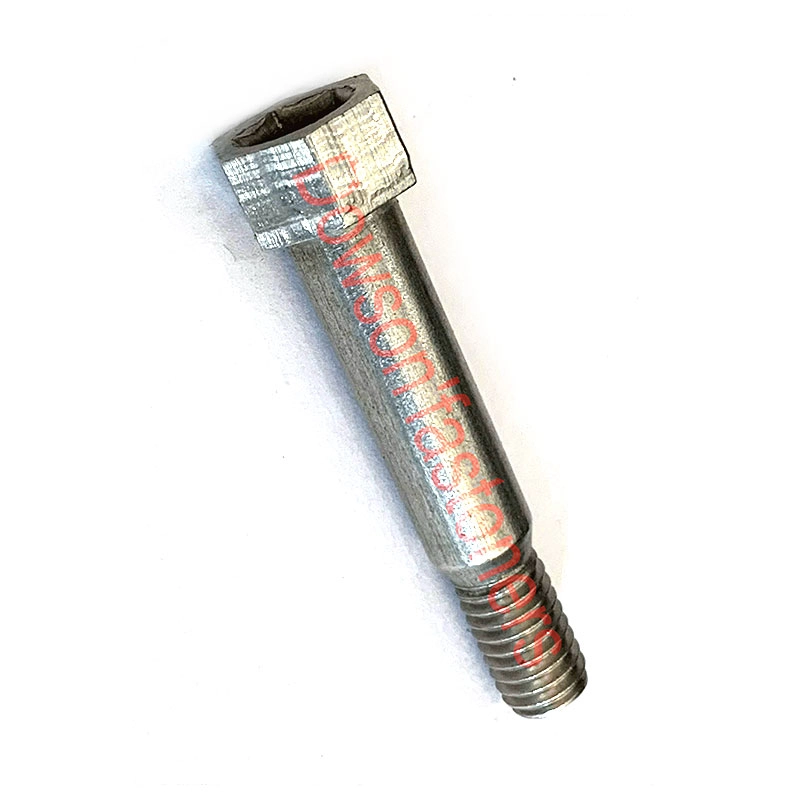
What Makes Flange-Based Fasteners Different from Conventional Bolts?
The primary difference between flange-based fasteners and conventional hex bolts is the structure beneath the bolt head. A conventional hex bolt generally has a separate bearing surface, while a flange design incorporates a wider circular bearing area directly into the head.
This integrated structure changes how the fastening force is transferred to the connected material. When tightened, the flange provides a larger contact area against the component surface. Depending on the material, dimensions, and application conditions, this configuration can help distribute the clamping force over a broader area.
Another important characteristic is that certain flange designs feature serrations on the underside of the flange. These serrations are intended to increase resistance to rotation by engaging with the contact surface. However, their effectiveness depends on the material hardness, surface finish, installation torque, and operating environment.
The integrated flange also reduces the need for a separate washer in applications where the fastener design and engineering requirements permit its use. This can simplify component handling and reduce the number of individual fastening parts required during assembly.
Why Is Load Distribution Important in Industrial Fastening?
A bolted connection works by generating clamping force between connected components. When a bolt is tightened, tension develops within the bolt while compressive force acts on the joined materials.
The distribution of this force is an important consideration, particularly when connecting relatively thin materials or components with limited bearing areas. A wider bearing surface can help reduce localized contact pressure under the bolt head. This is relevant in applications where excessive pressure could contribute to surface deformation, indentation, or damage to the connected material.
For example, sheet metal assemblies often require fastening components that can provide sufficient bearing support without creating unnecessary stress concentrations around the mounting hole. Similar considerations apply to equipment brackets, machinery housings, and structural metal connections.
Key Factors Affecting Load Distribution
- Flange diameter: A larger bearing diameter generally provides a wider contact area, subject to the available installation space.
- Material strength: The hardness and mechanical properties of both the bolt and connected components affect contact behavior.
- Surface condition: Coatings, roughness, flatness, and contamination can influence the actual contact between fastening surfaces.
- Installation torque: Appropriate tightening procedures are necessary to achieve the intended clamping force without damaging the joint.
- Joint configuration: Hole diameter, component thickness, and connection geometry all influence fastening performance.
These factors demonstrate why fastening selection should be based on the complete joint design rather than the bolt dimensions alone.
Material Selection and Corrosion Resistance in Fastener Manufacturing
Material selection is one of the most important considerations when specifying industrial fasteners. Different applications involve different combinations of mechanical loading, temperature, moisture, chemical exposure, and operating conditions.
Carbon steel is widely used in general industrial fastening because it offers a practical combination of strength, availability, and manufacturing flexibility. Depending on the application, different carbon steel grades and heat-treatment processes can be selected to meet mechanical property requirements.
Alloy steel is another important material category. Through suitable alloy composition and heat treatment, manufacturers can produce fasteners with mechanical properties appropriate for more demanding loading conditions.
Stainless steel is frequently considered for environments where corrosion resistance is an important requirement. It is used in various equipment assemblies, outdoor installations, food-processing facilities, and other environments where exposure to moisture or corrosive substances may occur. The specific stainless steel grade should be selected according to the actual service environment.
Surface treatments and protective coatings also influence fastener performance. Common options include zinc plating, hot-dip galvanizing, and other coating systems designed to provide corrosion protection or meet particular application requirements.
However, corrosion resistance should not be evaluated solely by coating appearance. Engineers and purchasing teams should consider coating thickness, environmental exposure, substrate material, and compatibility with the connected components.
Manufacturing Processes Behind Consistent Fastener Quality
Industrial fastener production involves multiple manufacturing stages, and each stage contributes to the final product's dimensional accuracy and mechanical characteristics.
For many bolt products, cold forging and hot forging are two established forming methods. The choice depends on material characteristics, product dimensions, production volume, and required mechanical properties.
Cold Forging and Hot Forging
Cold forging forms metal at or near room temperature through controlled deformation. This process is commonly used for producing fasteners in large quantities. It can provide good dimensional consistency, material utilization, and production efficiency.
Hot forging involves heating the material before forming. It is suitable for certain larger or more demanding components where the forming characteristics of the material need to be adjusted through temperature control.
Thread Processing and Heat Treatment
After the forming process, thread rolling or thread cutting is used to produce the required thread geometry. Thread quality is particularly important because the threaded section transfers tensile loading and interacts directly with the mating nut or threaded component.
Heat treatment may also be required depending on the specified material grade and mechanical property class. It helps establish the required strength and hardness characteristics.
Typical Manufacturing Workflow
- Raw material preparation: Steel wire rods or other suitable materials are selected according to product specifications.
- Forming: The bolt head and shank are produced through an appropriate forging process.
- Thread processing: Threads are formed through rolling or cutting methods.
- Heat treatment: Mechanical properties are adjusted when required by the product specification.
- Surface treatment: Protective coatings or finishes are applied according to customer and application requirements.
- Quality inspection: Dimensions, threads, hardness, tensile properties, and surface conditions are checked.
Quality control should not be limited to final visual inspection. Process monitoring and mechanical testing are important for maintaining consistent production quality, particularly when supplying large-volume industrial orders.
Standards and Dimensional Compatibility in International Fastener Trade
Fasteners are manufactured according to various international and regional standards. These standards establish requirements for dimensions, thread specifications, mechanical properties, materials, and other technical characteristics.
For industrial applications, commonly referenced standards include ISO, DIN, ASTM, and other national or industry-specific specifications. Standardization makes it easier for equipment manufacturers and engineering teams to specify fastening components and maintain compatibility across different production facilities and supply chains.
However, the same general fastener type may have different dimensions or technical requirements under different standards. A product that appears similar in shape may not necessarily be interchangeable with another specification.
Important Specifications When Selecting Fasteners
| Specification | Key Considerations |
|---|---|
| Nominal Diameter | Determines the basic bolt size and compatibility with the mounting hole. |
| Thread Pitch | Must match the corresponding nut or threaded component. |
| Bolt Length | Should provide the required engagement without unnecessary protrusion. |
| Head Dimensions | Affect tool access and installation clearance. |
| Flange Diameter | Influences the available bearing surface. |
| Material Grade | Determines the mechanical and environmental characteristics. |
| Surface Finish | Should match corrosion protection and application requirements. |
| Applicable Standard | Ensures dimensional and technical consistency. |
Clear technical documentation helps prevent misunderstandings between manufacturers, distributors, and end users. For international orders, confirming drawings, specifications, and inspection requirements before production is particularly important.
Industrial Applications Across Different Manufacturing Sectors
The demand for specialized fastening components is closely connected to the development of industrial equipment and infrastructure. As machinery becomes more integrated and production systems become more complex, fastening components must accommodate different structural requirements and installation conditions.
Automotive and Transportation Manufacturing
Automotive manufacturing involves numerous bolted connections across vehicle structures, engine assemblies, chassis components, and supporting equipment.
Fasteners used in these applications must meet specific requirements concerning mechanical strength, dimensional accuracy, vibration resistance, and corrosion protection. Production consistency is especially important because automotive assembly often involves automated fastening equipment and standardized installation procedures.
Flange-based fasteners may be selected for suitable connections where an integrated bearing surface can support the joint design.
Industrial Machinery and Equipment
Industrial machinery contains a wide range of metal-to-metal connections. Equipment frames, protective covers, mounting brackets, drive assemblies, and structural components all require reliable fastening systems.
In these environments, fastening components must be compatible with the equipment's operating conditions and maintenance requirements. The selection process should consider not only the initial assembly but also future disassembly, inspection, and replacement.
Construction and Steel Structures
Steel structures and construction equipment require fastening components that can accommodate different loading conditions and environmental exposures.
Connections in structural assemblies must be designed according to applicable engineering standards. Material grades, bolt dimensions, tightening procedures, and corrosion protection all contribute to the performance of the complete connection.
The use of an integrated flange can be considered where its bearing characteristics are appropriate for the connection design. Nevertheless, structural applications must follow the relevant engineering specifications rather than relying on general fastener characteristics.
Agricultural and Outdoor Equipment
Agricultural machinery frequently operates in environments involving dust, moisture, soil, vibration, and changing weather conditions.
Fasteners used in these machines need to be selected according to their exposure conditions and mechanical requirements. Corrosion protection, thread compatibility, and ease of maintenance are all relevant considerations.
What Should Buyers Consider When Sourcing Industrial Flange Fasteners?
Selecting a suitable fastener supplier involves more than comparing unit prices. For manufacturers and distributors handling international orders, production capabilities, technical communication, quality inspection, and delivery arrangements can all influence the overall sourcing experience.
Product Specifications and Technical Requirements
Buyers should provide the required standard, nominal diameter, thread pitch, length, material grade, and surface treatment whenever possible. Technical drawings or product samples can help clarify requirements when a standard specification does not fully describe the intended product.
Manufacturing and Quality Control Capabilities
A supplier should have suitable forming, threading, heat-treatment, and finishing processes for the required product range. Equipment availability and production experience can affect both product consistency and order fulfillment.
Depending on the application, inspection requirements may include dimensional measurement, thread verification, hardness testing, tensile testing, and coating evaluation. Buyers should clarify the required inspection scope before production begins.
Production Planning and Delivery
Lead time depends on raw material availability, manufacturing complexity, order quantity, finishing requirements, and current production schedules. Clear communication about these factors helps both parties organize purchasing and inventory planning.
Finally, export experience should not be overlooked. Packaging, labeling, documentation, and transportation arrangements are important parts of international fastener supply. A supplier familiar with export procedures can help coordinate shipments and reduce communication difficulties during order processing.
The Future Direction of Industrial Fastening Solutions
Manufacturing industries continue to place greater emphasis on product consistency, production efficiency, and supply chain reliability. These developments are also influencing the fastener industry.
One important trend is the increasing use of automated manufacturing and inspection equipment. Automated processes can improve production repeatability and support more consistent dimensional control, especially for high-volume orders.
Another trend is the growing importance of material traceability and quality documentation. Industrial customers increasingly need clear information about material specifications, production batches, inspection results, and applicable standards.
Surface treatment technology is also developing in response to different environmental and application requirements. Manufacturers must consider corrosion protection, coating consistency, and compatibility with the base material when selecting finishing processes.
At the same time, international sourcing has made supplier communication more important. Detailed product specifications, technical drawings, and clear quality requirements help manufacturers and buyers establish more efficient cooperation.
Reliable Fastener Manufacturing Starts with the Right Supplier
As industrial applications continue to diversify, the demand for fasteners in different standards, materials, and specifications remains an important part of the global manufacturing supply chain. Selecting appropriate fastening components requires a clear understanding of joint design, mechanical properties, manufacturing processes, and operating environments.
With experience in the fastener industry dating back to 1990 and manufacturing operations established in 2008, Haiyan Dowson's Fasteners Co., Ltd. provides a range of fastening products, including bolts, nuts, screws, and washers in different standards and materials. Supported by production facilities and testing equipment, the company focuses on supplying industrial fasteners and providing practical fastening solutions for customers in international markets.
Send Inquiry



X
We use cookies to offer you a better browsing experience, analyze site traffic and personalize content. By using this site, you agree to our use of cookies.
Privacy Policy